
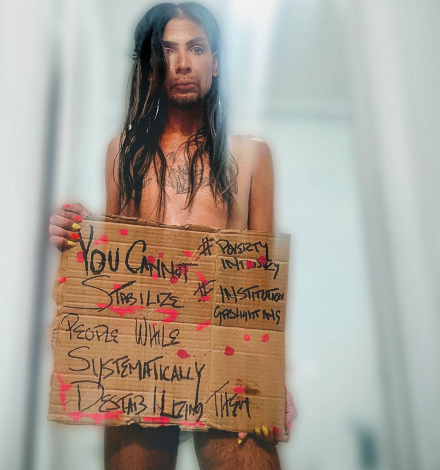
Here’s the thing-
I didn't set out to make my life public. I started documenting things because I needed a way to keep track of what happened, what was decided, and what I was being told. Over time, that became years of records, court filings, correspondence, unanswered questions, and lessons I never expected to have to learn.
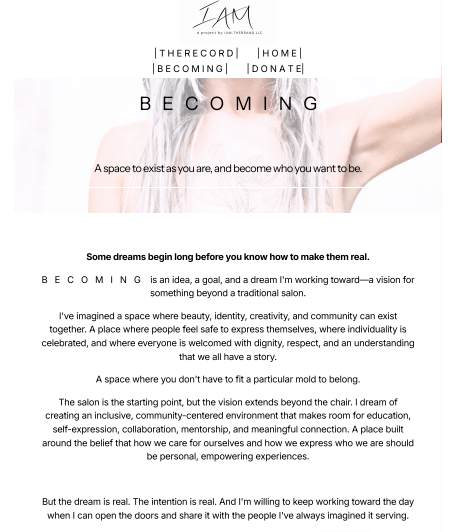
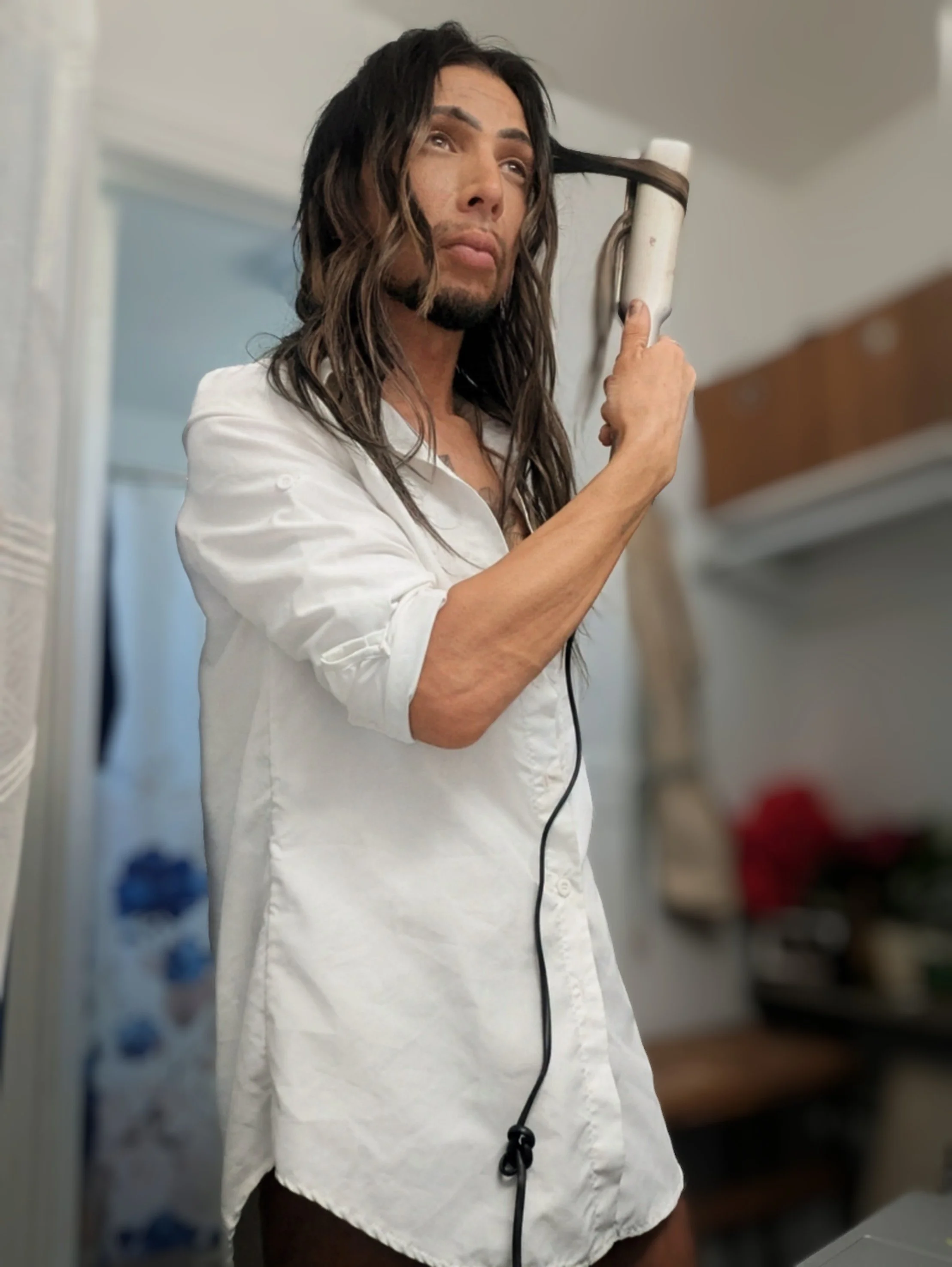
Becoming is everything else. My family, the people I've loved, my work in beauty, the memories, the funny moments, the difficult ones, and the life I'm still trying to build.
Site Flow-
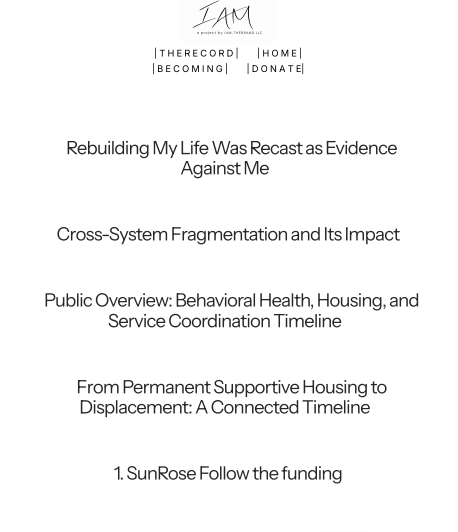
The Record - is where I bring that information together. The documents, the timelines, the decisions, the inconsistencies, and the questions that remain. Some things are documented. Some are disputed. Others are still waiting for answers.
Source Documents-
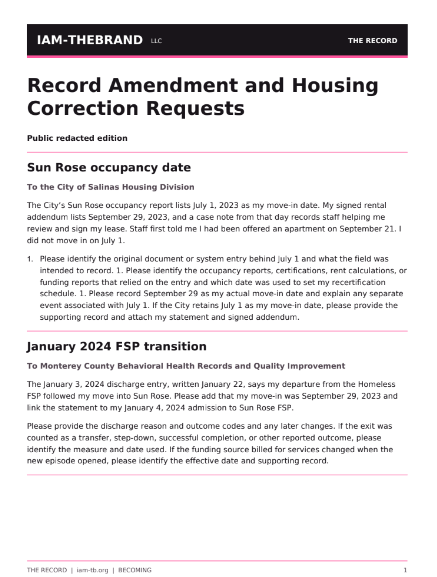
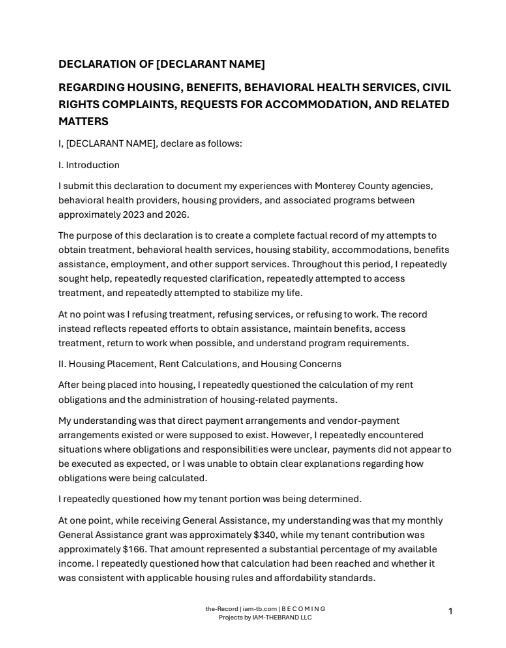
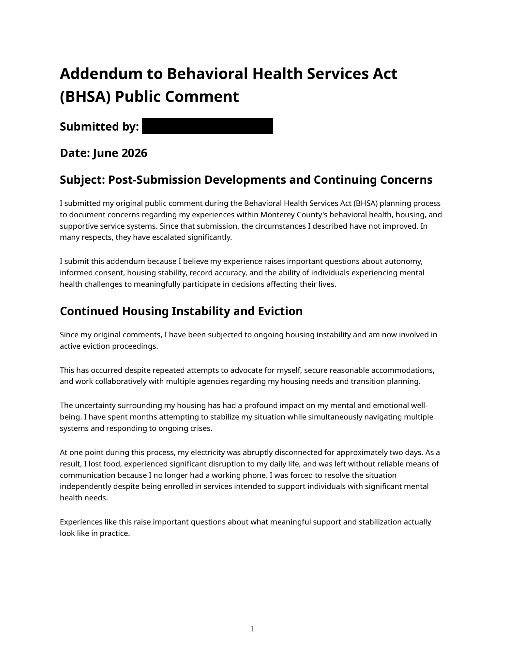
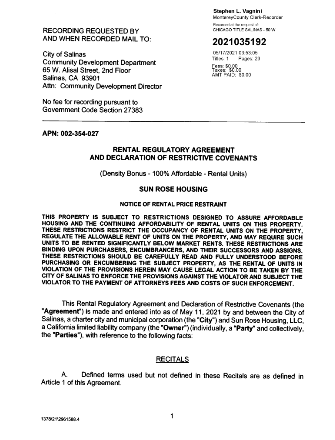
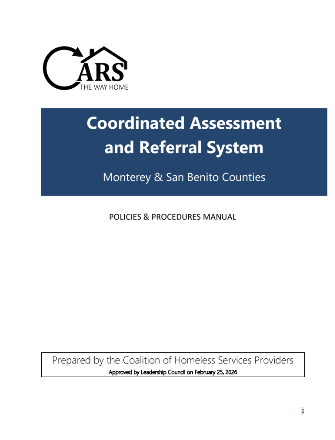
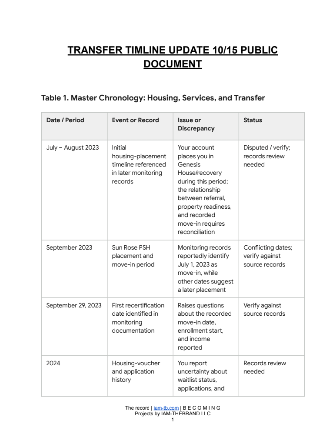
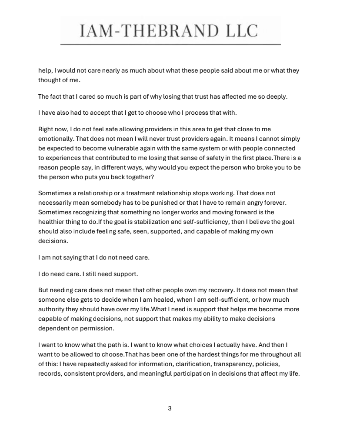
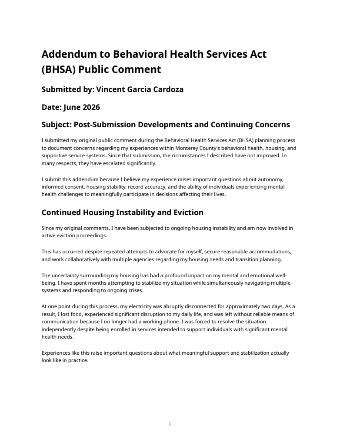
B E C O M I NG - My Story My Words
When Someone Finally Questioned the Help
I think one of the reasons my experience became so difficult for other people to believe is that the system was accustomed to a particular relationship with the population it served.
People were being housed. People were receiving services. People were being told they were getting help. And for many, simply having somewhere to live and someone assigned to their case represented an enormous improvement over what they had experienced before.
But I began asking a different question.
What happens when the person receiving the help starts questioning whether the help is actually helping?
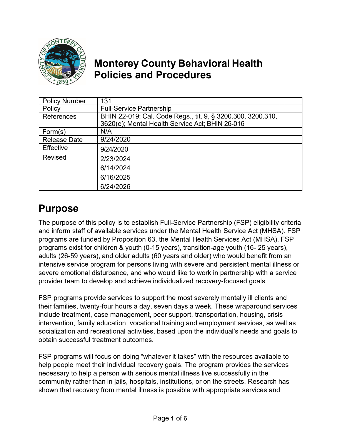
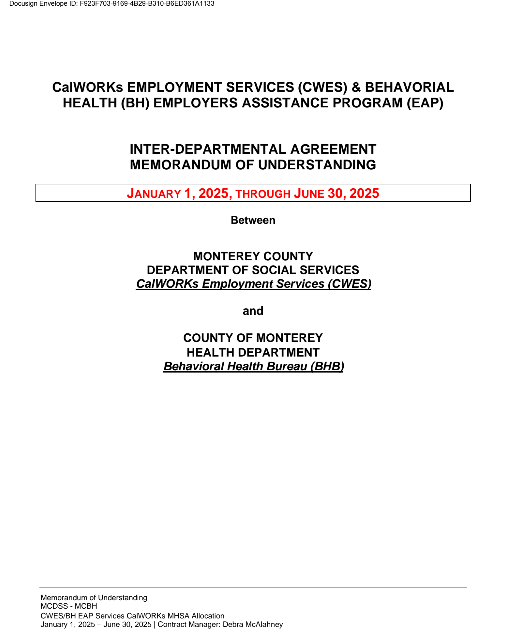
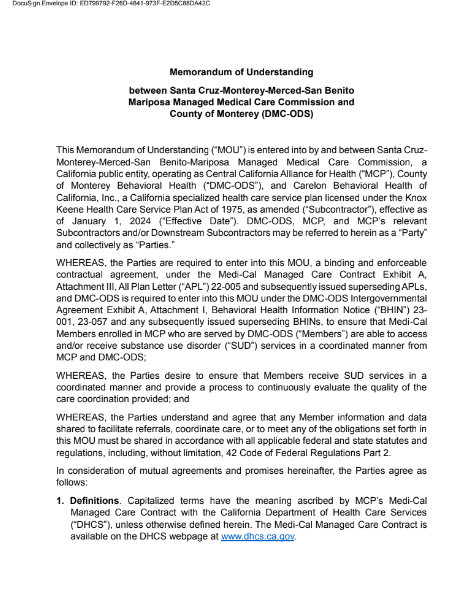
What happens when someone begins examining the contracts, the funding, the clinical documentation, the services being reported, and the obligations attached to the money being received?
What happens when the person whose vulnerabilities helped establish the need for the program starts questioning how those vulnerabilities are being used?
I wasn't asking to be rescued. I was asking whether the people entrusted with providing that assistance were actually doing what they represented themselves as doing.
And I think that distinction became increasingly uncomfortable.
Because I wasn't just questioning an individual caseworker or disagreeing with a housing decision. I was questioning the relationship between the funding, the program, the institutions operating it, and the people whose circumstances justified its existence.
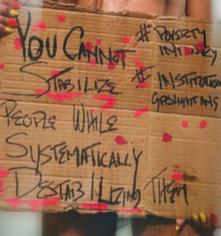
It was as though the system could accommodate my vulnerability, document my trauma, classify my needs, and use my circumstances to establish eligibility.But it could not accommodate me questioning the system itself.
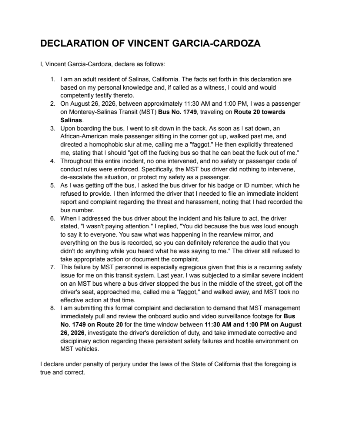
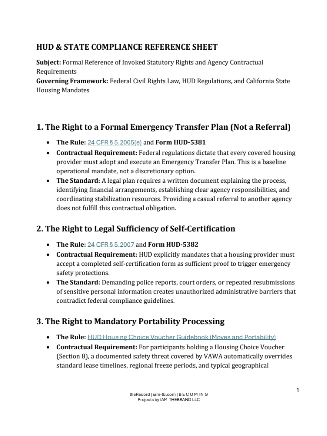
When I began describing what I believed was happening, the circumstances became so extraordinary that they were difficult for other people to accept. The subsequent disputes involving my housing, clinical records, credibility, and access to protections became their own explanation for why I should not be believed. And that is the part I want people to understand.
The person questioning the institution eventually became the problem that the institution needed other people to question.
I had entered the system because I needed stability. I stayed because I was trying to build a life. I began asking questions because I wanted to understand what was happening. I never anticipated that asking those questions would become such a defining part of my life. I was supposed to be the person the program helped.I wasn't supposed to become the person asking whether the program itself needed to be investigated.
Donate if you can
“After nearly eight months of seeking help, reporting concerns, and attempting to navigate the aftermath of those disclosures, I met with a former therapist to discuss the difficulties I was experiencing. After hearing the situation, the recommendation offered was:
'Maybe start a GoFundMe.'
As someone who takes professional advice seriously, I decided to follow it."